


Which dog breeds make the best running companion? The truth is, most dogs love to run. We’ve all seen a happy Shih Tzu or an excitable Pug doing zoomies around the park – but could you take these dogs for a 10-mile trek? Probably not.
Some dogs, like Greyhounds, were bred to run but you may be surprised to see that they don't feature at all on this list. While a Greyhound can achieve speeds of up to 40miles per hour, they'd actually much prefer to curl up on the couch than head out for a run!
But, don't worry, there are plenty of pups who will love nothing more than coming for a long, outdoorsy run with you. Let's find out which ones.
Are dogs good running companions?
Yes, dogs can absolutely make great running companions but it’s important to choose the right breed with the right temperament before you head out on a long jaunt.

Almost all younger dogs will happily run next to their owner but if running is your passion then you'll want more than a quick dash down the street.
8 best dog breeds for runners
Thinking about adopting a dog and want to be sure your future best friend can join you for lengthy runs whatever the weather? Check out these eight energetic and enthusiastic dog breeds below that will match you step for step.
German Shorthaired Pointer
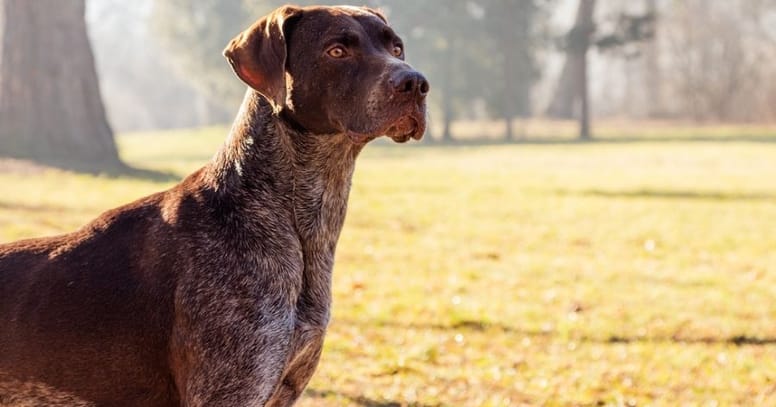
German Shorthaired Pointers adore to be outside with their owners and they love to run. These athletic pups are full of energy and have both the speed and the build to come along with you on that long, lazy run by the river. Hunting dogs famous for their speed, these pups are devoted to their owners and will want to stay by your side rather than run off for fuss from a stranger on a park bench!
German Shepherd

German Shepherds are intelligent, athletic dogs that will love joining you for a run. These working dogs are often chosen to be police dogs, guide dogs and guard dogs because of their intellect and energy. With enthusiasm and a love for the great outdoors, your German Shepherd will be with you every step of the way.
Weimaraner
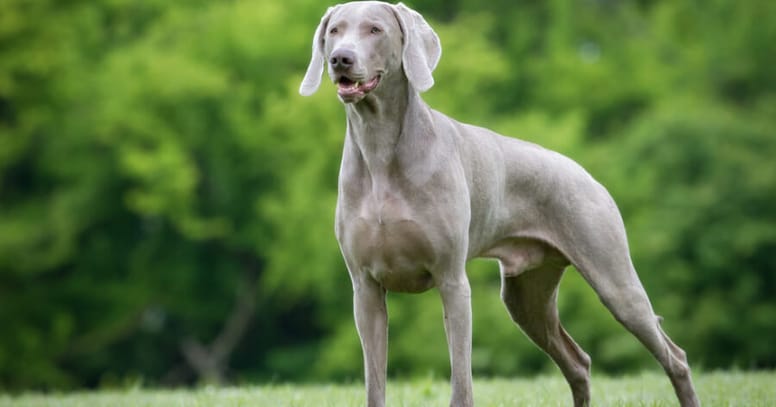
The Weimaraner is a rather majestic-looking pup who requires high levels of exercise and mental stimulation, so a daily run would go down a treat. This smart, energetic pointing dog is also incredibly loyal and would rather be by your side than anywhere else.
Jack Russell Terrier
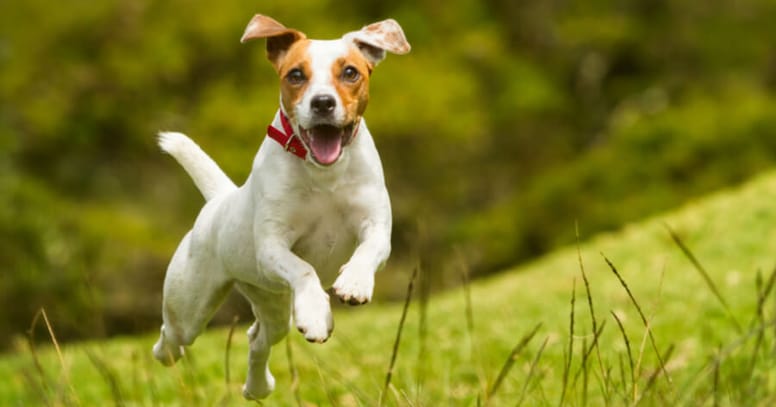
If you’ve ever owned a Jack Russell then you’ll know that they have plenty of energy! These little pocket rockets need lots of exercise to keep them calm and happy and a run with their owner is a great way to meet these needs. You may think that their small legs can’t keep up with you but you’d be surprised – most youthful Jack Russell’s can easily keep pace.
Rhodesian Ridgeback
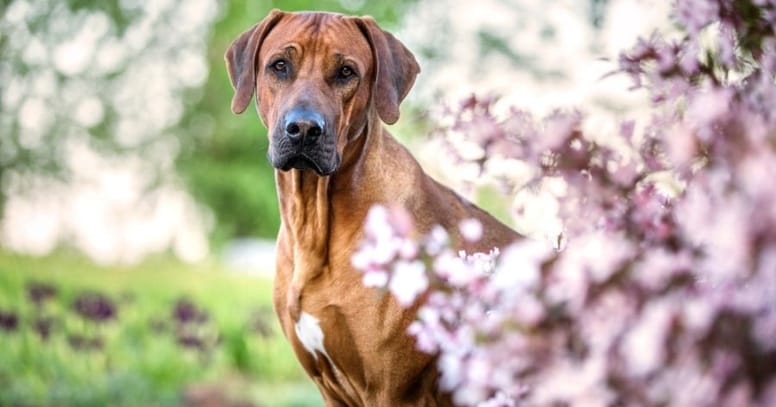
Rhodesian Ridgebacks are powerful dogs. They were originally bred for hunting lions (alerting their owner to the presence of lions rather than hunting them down themselves!) and as such is a lively and energetic breed who can cover lots of ground. They are fast and powerful and could make the perfect companion if you love to run longer distances.
Siberian Husky

The gorgeous Siberian Husky was originally bred as a working dog and still to this day is used as a sled dog in some parts of the world. The Husky is the dog most closely related to the wolf so potential owners should do their research before offering one of these beautiful dogs a forever home. That being said, if you do feel that you could offer a home to a Husky then they will be a great companion to you when you go running. Thanks to their thick fur, these athletic dogs will do best running in the colder months and could overheat if you take them on a long run in the height of summer.
Border Collie
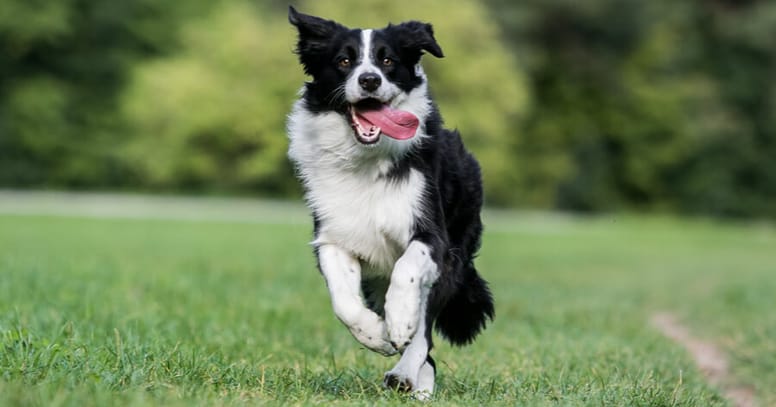
Border Collies are energetic, intelligent and a joy to train. These lively pups are great athletes and once trained will stay by your side wherever you run to. They have a thick coat that helps them in chilly conditions but can get snow trapped in their fur so maybe rethink if you where you live sees a lot of the white stuff.
Labrador Retriever

The trusty Labrador regularly tops the list of being the nation’s favourite dog and this friendly breed has the athleticism and musculature to run along with you on short and fast or longer and slower runs. You can’t rule out the possibility that these attention-loving pups will stop for some fuss from a neighbour the first time you go though, so be willing to offer rewards and encouragement to keep them by your side until they’re familiar with the experience!
Advice for running with your dog
It’s a good idea to start slowly when you introduce your dog to a running routine. Keep initial runs short and sweet to work out how your dog’s energy levels and temperament are suited to running. Consider running for only a mile or so to begin with and gradually adding an extra half mile as your dog gets more and more used to this form of exercise. Dog trainers recommend giving your dog at least a day of rest in between runs.
Take all of that advice into consideration, choose the right breed with the right temperament and you may find that now you have a four-legged running companion by your side, you'll fall in love with running more than ever before.


