
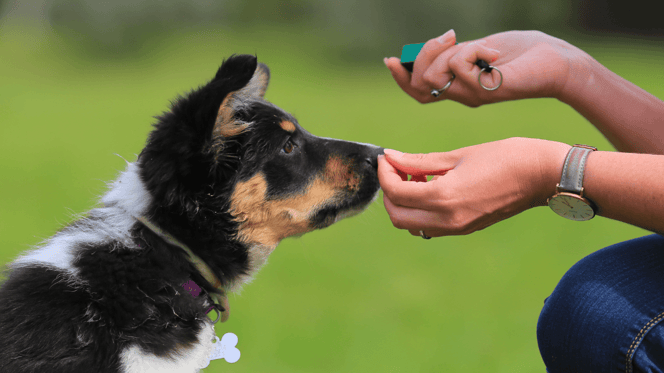

Bringing a puppy home is exciting, but it often comes with moments of uncertainty. Many owners eventually find themselves thinking, "My puppy will not listen to me", even when they are trying their best to teach good behaviour. In most cases, puppies are not being stubborn. They are simply learning how to understand human communication.
Training takes time, patience and consistency. With the right mindset and owner approach, regular practice and repetition, and structured guidance such as the Zigzag puppy training app, owners can gradually build their puppy’s focus and attention while introducing clear training commands.
My puppy will not listen to me: understanding why
When a puppy is not listening, the most common reasons are a lack of understanding, distractions, inconsistent communication or normal stages of development.


Young dogs are still learning how to interpret words, gestures and tone of voice. Linking behaviour to commands takes time, and puppies need repeated experiences before they understand what each cue means. Consistent guidance helps develop skill mastery and basic obedience.
Puppies are still learning the basics
A puppy may ignore commands simply because the skill has not yet been mastered. Learning happens gradually through practice and repetition.
This is particularly common with very young dogs. If someone feels my 3-month-old puppy doesn’t listen, it is usually because the puppy has only recently begun learning simple cues such as sit, stay or come.
At this stage, puppies are still learning their name, developing focus and attention, and understanding how rewards work during training. Short sessions, positive reinforcement and treats help build confidence and reinforce desired behaviour.
Puppies naturally test boundaries
Another reason for not listening is that puppies gradually explore their independence. Puppy testing boundaries is a normal part of development.
This behaviour often becomes more noticeable during the dog teenage phase, which may begin around six months of age. Owners sometimes feel that a 6-month-old puppy doesn’t listen, even though the dog previously responded well to commands.
During this stage, it helps to remain consistent and patient. Returning to basic exercises and reinforcing familiar cues helps rebuild reliability.
Environmental distractions and training challenges
Many training difficulties happen because of environmental distractions. Puppies are naturally curious and easily distracted by movement, sounds and smells.
Busy parks, unfamiliar environments or other dogs can interrupt training and reduce a puppy’s focus and attention. This does not mean training is failing. It simply means the puppy is still learning how to concentrate.
Training should start in quiet environments before gradually introducing more stimulating locations.
My dog won’t listen to me outside
Many owners notice that commands work well at home but suddenly fail outdoors. If the thought my dog won’t listen to me outside sounds familiar, the environment is often the cause.
Outdoor areas offer far more stimulation than indoor spaces. What appears to be not listening is usually the puppy becoming distracted.
Training outdoors works best through gradual progression and building focus. Begin in calm outdoor areas and slowly introduce more distractions as the puppy becomes more confident.
My dog won’t listen to me on walks
Walks can be particularly challenging for young dogs. If someone feels my dog won’t listen to me on walks, it may be because the puppy is overwhelmed by new sights and smells.
People, bicycles, wildlife and other dogs all compete for attention. Brief pauses during walks to practise simple commands can help reinforce training and encourage the puppy to check in with the owner.
Effective techniques to improve listening
When owners feel frustrated because their puppy will not listen to them, adjusting the training approach can make a real difference.
Small changes often help puppies understand what is expected and improve their willingness to engage.
Use positive reinforcement and treats
One of the most effective training tips is using positive reinforcement and treats.
Rewarding the correct behaviour immediately after a command helps puppies understand which actions are desirable. Treats, praise and play all reinforce learning and motivate puppies to repeat good behaviour.
Over time, puppies begin linking behaviour to commands, making responses more reliable.
Maintain consistent signals
Consistency is essential when teaching commands. Using the same cues, gestures and timing each time helps prevent confusion.
If commands change frequently, puppies may struggle to understand expectations. Clear communication supports steady progress.
It is also important to avoid unnecessary escalation of tone or voice. Raising the voice too quickly can create anxiety and may reduce a puppy’s willingness to respond.
Teaching puppies to understand “no”
Learning boundaries is an important part of early training. Understanding "no" helps puppies recognise behaviours that are not allowed.
However, the word should be used carefully. Repeating it too often can reduce its effectiveness.
A calm tone combined with gentle redirection usually works best. For example, if a puppy begins chewing furniture, offering an appropriate toy teaches what behaviour is acceptable.
Common behaviour questions during puppy training
Puppy training challenges can appear at different stages of development, and many owners share similar concerns.
My dog doesn’t listen to me, but listens to others
Sometimes a puppy responds better to another person in the household. This usually happens when different people use slightly different training methods.
Keeping training commands, tone and rewards consistent across the household helps prevent mixed messages.
Why is my dog not listening to me all of a sudden?
Sudden behaviour changes can occur during developmental stages or when puppies experience new environments.
Temporary setbacks are common. Returning to simple exercises and reinforcing skills through practice and repetition often restores consistency.
Helpful daily training habits
Reliable listening skills develop gradually through routine. Regular training supports skill mastery and basic obedience.
Helpful habits include:
- Keep training sessions short and positive
- Start in low distraction environments before introducing challenges
- Use consistent training commands
- Reward correct responses with positive reinforcement and treats
- Practise regularly to maintain focus and attention
These small steps help puppies develop confidence and learn more effectively.
Building a strong listening relationship with your puppy
Feeling frustrated because my puppy will not listen to me is a common experience for new dog owners. In most cases, puppies are not ignoring commands intentionally. They are still learning how to understand communication and manage new experiences.
With patience, clear guidance and consistent practice and repetition, puppies gradually develop stronger listening skills. Tools such as the Zigzag puppy training app can also provide structured support during the early stages of training.
Over time, even a distracted puppy can grow into a responsive and attentive companion, strengthening the bond between dog and owner.


