
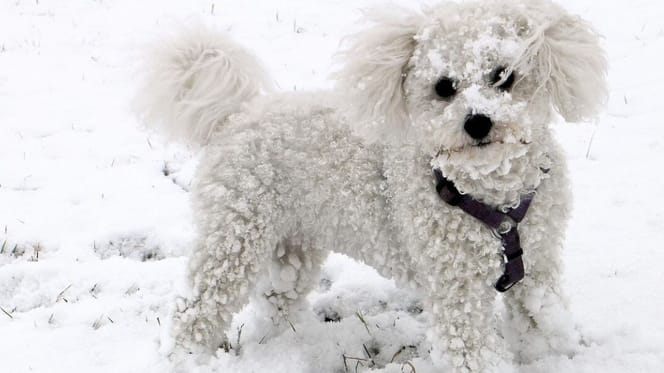
With chilly conditions gripping much of the UK, animal welfare experts say pets can struggle if the temperature indoors drops too low.
Advice from the RSPCA warns that dogs are happiest when homes are kept between 10°C and 25°C, with some more vulnerable to the cold than others.


Why indoor temperature matters for dogs
According to the charity, dogs that are small, slim, very young, elderly or have little fur can find it particularly hard to stay warm. When temperatures fall to freezing, all dogs can be at risk of cold-related illnesses such as hypothermia or frostbite.
Owners are encouraged to provide a clean, dry sleeping area indoors and avoid leaving dogs outside in cold weather. Warm bedding, dog coats for walks, paw protection against icy ground and drying dogs thoroughly after outings can all help reduce the impact of winter conditions.
Signs of hypothermia to watch for
Hypothermia can develop when a dog’s body temperature drops too low, often after being cold and wet. Warning signs include shivering, unusual tiredness, confusion, pale gums and difficulty moving. In severe cases, dogs may collapse or lose consciousness.
If any of these symptoms appear, owners should seek vet help immediately. The charity advises warming dogs gradually with blankets and a gently heated environment, while avoiding direct heat that could cause burns.
Every dog reacts differently to the cold, so changes in behaviour, such as reluctance to go for walks or a loss of appetit,e should also prompt a chat with a vet.