
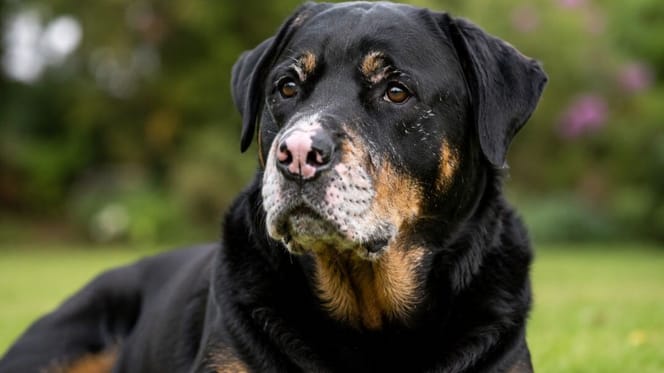

Vitiligo in dogs is a rare skin condition that causes loss of pigment in the skin and coat, leading to distinctive white patches and colour changes.
Noticing unexpected colour changes in your dog's nose, face or coat can be concerning. However, while these changes may be striking, vitiligo is usually considered a cosmetic issue rather than a serious health problem.
Although uncommon, vitiligo can affect dogs of any breed or age. Understanding the causes, symptoms and progression of the condition can help owners feel more confident about caring for an affected pet.
What is vitiligo in dogs?
Vitiligo in dogs is a condition that causes depigmentation of the skin and fur. It develops when melanocytes, the cells responsible for producing pigment, stop functioning properly or disappear altogether. This process is linked to melanocyte dysfunction or loss, resulting in areas of the body losing their natural colour.



The condition is characterised by the appearance of white or light patches on previously pigmented skin and hair. These changes can occur gradually over weeks or months and are often most noticeable on the face.
Unlike many skin disorders, vitiligo does not usually cause discomfort, itching or irritation. It is widely regarded as vitiligo as a cosmetic or aesthetic condition, meaning it affects appearance rather than overall health or quality of life.
Causes and symptoms of vitiligo in dogs
The exact cause of vitiligo is not fully understood, but researchers believe it is linked to several factors. One of the leading theories suggests it may involve an autoimmune condition, where the body's immune system mistakenly attacks pigment-producing cells.
Several factors may contribute to the development of vitiligo, including:
- Genetic factors
- Autoimmune responses
- Environmental triggers
- Chronic stress or illness
- Unknown causes, often referred to as idiopathic
The most obvious symptom is loss of pigment in the skin or coat. Owners may notice changes around the nose, lips, eyes or mouth before the condition spreads to other areas.
Common signs include:
- Pale or white patches on the skin
- Whitening of hair and skin
- Colour loss around the muzzle and eyes
- Lightening of the nose
- Gradual changes affecting larger areas over time
Importantly, vitiligo does not typically cause redness, sores, pain or hair loss. If these symptoms are present, another condition may be responsible and you should speak to your vet for advice.
How rare is it for a dog to have vitiligo?
Vitiligo is considered a rare skin condition in dogs. While it is well documented in veterinary medicine, it occurs far less frequently than common skin problems such as allergies, infections or dermatitis.
Because many cases involve only mild colour changes, some dogs may never receive a formal diagnosis. Others may be mistaken for having age related coat changes or a different pigment disorder.
Although uncommon, awareness of vitiligo has increased in recent years thanks to social media and veterinary education, making owners more likely to recognise the condition when it occurs.
What dog breeds are prone to vitiligo?
Vitiligo can affect any dog, including mixed breeds, but some breeds appear to have a higher predisposition.
Breeds more commonly associated with vitiligo include:
The increased occurrence in certain breeds suggests a hereditary component. However, not every dog within these breeds will develop the condition, and many affected dogs have no known family history.
Researchers continue to investigate the genetic mechanisms that may contribute to pigment loss and why some dogs are affected while others remain unaffected.
Understanding facial and nose involvement
One of the most recognisable features of vitiligo is facial and nose involvement. In many cases, pigment loss begins around the muzzle, lips, eyelids or nose before appearing elsewhere on the body.
Owners may first notice a black nose becoming partially pink or developing lighter patches. Similar changes may occur around the eyes, creating a distinctive appearance that becomes more noticeable as pigment loss progresses.
In some dogs, the colour changes remain limited to the face. In others, they spread to the chest, paws, abdomen or other areas of the coat.
A common feature is symmetrical pigment loss, where similar changes appear on both sides of the face or body. This pattern can help veterinarians distinguish vitiligo from certain other skin conditions.
How is vitiligo diagnosed in dogs?
Diagnosis is usually based on a physical examination and a review of the dog's medical history. Veterinarians will assess the pattern of colour changes and determine whether other skin diseases could be responsible.
A diagnosis may involve:
- Examination of affected skin and fur
- Assessment of overall health
- Review of when pigment changes first appeared
- Ruling out infections or other causes of hypopigmentation
- Occasionally, a skin biopsy or laboratory testing
Because vitiligo is generally non-harmful, extensive testing is not always necessary. However, additional investigations may be recommended if symptoms suggest another underlying condition.
Photographs taken over time can be particularly useful for monitoring progression and helping veterinarians assess changes accurately.
Are treatments available for vitiligo in dogs?
There is currently no specific treatment proven to reverse or cure vitiligo in dogs. Fortunately, treatment is rarely necessary because the condition does not affect a dog's well-being.
Management focuses on maintaining healthy skin and coat condition through:
- A balanced diet
- Regular grooming
- Routine veterinary health checks
- Protecting lightly pigmented skin from excessive sun exposure
While some therapies have been explored, results are inconsistent and there is no universally effective treatment for restoring lost pigment.
What is the prognosis for dogs with vitiligo?
The prognosis for dogs with vitiligo is generally excellent. The condition is considered harmless and does not affect life expectancy, mobility, appetite or behaviour.
The extent of pigment loss varies considerably between individuals. Some dogs develop only a few small patches, while others experience more widespread skin and fur changes over time. Progression is often unpredictable. In some dogs, colour changes stabilise after an initial period. In others, additional areas may gradually become lighter over several months or years.
Regardless of the extent of colour change, most affected dogs continue to live normal, active and happy lives.
Living with a dog diagnosed with vitiligo
For many owners, the biggest adjustment is becoming familiar with their dog's changing appearance. While the condition may alter coat colour dramatically, it rarely requires major lifestyle changes.
Regular veterinary check-ups remain important to ensure any new skin concerns are properly assessed. If colour changes are accompanied by redness, irritation, swelling or discomfort, further investigation may be needed to rule out other conditions.
Many owners come to view the distinctive markings caused by vitiligo as part of their dog's unique character. Rather than diminishing a dog's appearance, these unusual patterns often become one of their most memorable features.
Although vitiligo changes how a dog looks, it does not change who they are. With proper care and routine health monitoring, dogs with vitiligo can enjoy the same happy and healthy lives as any other companion.


