
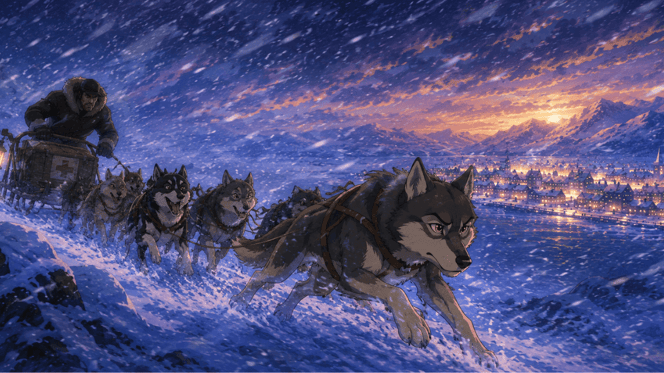

Released in 1995 by Universal Pictures, this much-loved animated adventure film introduces viewers to Balto (the dog), who is portrayed as a half-wolf, half-dog struggling to find acceptance. While the film takes creative liberties, it is inspired by the remarkable true story of the 1925 serum run to Nome, Alaska, when sled dogs helped deliver life-saving medicine during a deadly outbreak.
Blending exciting animal animation with themes of heroism, courage and overcoming adversity, the film remains a popular family film nearly 30 years after its release.
What is the Balto movie about?
Set in a snowy Alaskan setting, the Balto movie follows an outcast who is shunned because he is believed to be a half-wolf half-dog. Despite facing prejudice, Balto longs to prove himself.

When a diphtheria epidemic threatens the children of Nome, Alaska, the town urgently needs medicine. With aircraft unable to fly in the harsh winter weather, sled dog teams become the only way of delivering medicine across hundreds of miles of frozen wilderness.
As Balto joins the dangerous mission, he overcomes self-doubt and earns the respect of those around him. Although fictionalised, the story celebrates perseverance, teamwork and the importance of helping others.
Is the movie Balto based on a true story?
Yes. The Balto movie is inspired by the real-life 1925 serum run, often called the Great Race of Mercy.
During the winter of 1925, a diphtheria epidemic threatened the isolated community of Nome, Alaska. The disease was particularly dangerous for children, and the town's supply of antitoxin was almost exhausted. Because severe weather prevented aircraft from flying, the only practical solution was to transport the medicine by sled dog relay.
More than 20 mushers and around 150 sled dogs worked together to carry the serum nearly 675 miles from Nenana to Nome. Their extraordinary teamwork played a vital role in saving children and preventing the outbreak from becoming even more devastating.
The real Balto
The real Balto (the dog) was actually a Siberian Husky, not the half-wolf, half-dog shown in the film. He led the final sled team into Nome alongside musher Gunnar Kaasen, bringing the life-saving serum to the town.
Although Balto became famous, historians now recognise that every musher and sled dog involved in the relay contributed to the mission's success.
Is Balto a Disney movie?
No. The Balto movie was produced by Universal Pictures and Amblimation, Steven Spielberg's former animation studio. It is not a Disney film.
Released in 1995, it combines traditional animation with early computer-generated effects to bring Alaska's snowy landscapes to life. Although its original cinema release was modest, it became a favourite through home entertainment and remains a well-loved family film.
Are Balto and Togo the same story?
No, although both dogs were heroes of the 1925 serum run.
Balto led the final stage into Nome and became famous because he completed the relay in front of waiting journalists. Togo, however, completed the longest and most dangerous section of the journey with musher Leonhard Seppala, travelling around 260 miles in treacherous conditions.
Today, historians generally agree that both dogs deserve recognition, along with the many other sled dogs and mushers whose combined efforts made the mission possible.
Themes of heroism and courage
The Balto movie continues to resonate because of its timeless themes. As the canine protagonist, Balto faces rejection and prejudice, yet refuses to let these obstacles define him. His determination and courage show that true heroism comes from helping others rather than seeking recognition.
The film also highlights friendship, loyalty and overcoming adversity, reminding viewers that working together can achieve extraordinary things.
The unforgettable Alaskan setting
The dramatic Alaskan setting is central to the story. Towering mountains, frozen rivers and fierce blizzards create a constant sense of danger while showcasing the beauty of Alaska.
These conditions also help audiences appreciate the real challenges faced by the mushers and sled dogs. The harsh weather made delivering medicine an incredible achievement and adds excitement and authenticity to the film.
How accurate is the Balto movie?
The Balto movie captures the spirit of the true story while also introducing fictional elements to create a more entertaining adventure.
The diphtheria epidemic, the urgent need to deliver medicine, and the sledge dog relay are all based on real events. However, Balto's portrayal as a half-wolf, half-dog, along with the talking animals, rivalries and many of the dramatic scenes, were invented for the film.
Despite these changes, the film remains an engaging introduction to one of history's greatest rescue missions and often inspires viewers to learn more about the real events.
Why the Balto movie remains popular
The Balto movie continues to capture the imagination because it combines exciting storytelling with genuine history. Its memorable animal animation, likeable characters and emotional message have helped it remain a favourite with families for decades.
While the film simplifies some historical details, it celebrates the remarkable true story of the sled dogs and mushers whose bravery helped save a community in crisis. Above all, it reminds us that heroism, courage and compassion can come from the most unlikely places, making it an enduring classic for dog lovers of all ages.


