
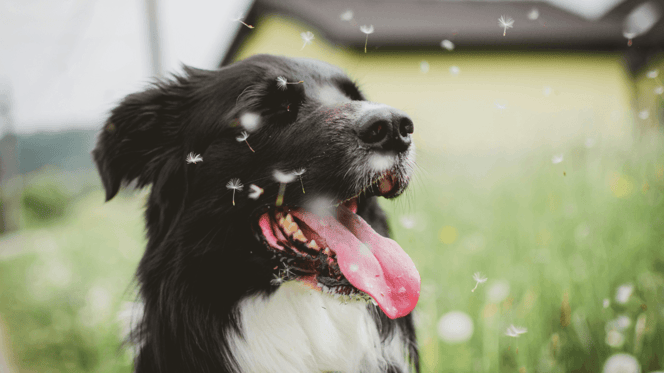

Thought to affect over 16 million people in the UK each year, we all know what hay fever looks like. Sneezing, watering eyes and an itchy throat are classic symptoms of this seasonal allergy.
In dogs the symptoms look very different, explains Dr Emma Chandley, a vet of 13 years who currently works alongside pet insurance brand Petgevity.



Surprising symptoms
"Hay fever in dogs is usually part of a broader condition we refer to as atopic dermatitis, which is an allergic response to environmental triggers such as pollen. Unlike people, dogs do not tend to show classic sneezing and watery eyes as their main signs" she warns.
"The symptoms are often skin-related and can be subtle at first. Because the changes can be gradual and seasonal, it is easy to miss patterns until the signs become more persistent.”
Managing hay fever this spring
If you notice your pup licking their paws, rubbing their face along the furniture or scratching their ears, it may be time to take action.
Prevention can be difficult because pollen exposure can't be eliminated, but management in controlling the immune response is helpful, suggests Dr Chandley. This may involve frequently wiping your paws and bellies after walks, rinsing off any visible pollen and washing bedding as often as possible.
Over-the-counter antihistamines should be avoided, as dosing will differ from humans and products may be unsafe. Omega-3 supplements may be helpful, supporting skin health over time, keeping your dog feeling their best as the seasons change.

