
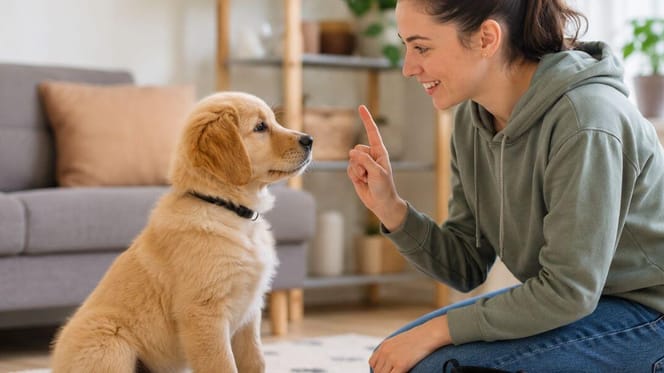

Bringing home a puppy is exciting, but it can also feel overwhelming. Between toilet accidents, sleepless nights and endless energy, there is plenty for both you and your puppy to learn during the first few weeks together.
Fortunately, puppies between 12 and 14 weeks old are at an ideal age for training. Their curiosity and eagerness to explore make this the perfect time to focus on an early training start and routine establishment that will help shape a confident, well-adjusted adult dog. Having expert guidance from a puppy training resource such as Zigzag can also help new owners build good habits from day one.
Why training your 12-14 week old puppy is important
Between 12 and 14 weeks of age, puppies are highly receptive to new experiences and learning opportunities. This stage is not about achieving perfect behaviour overnight. Instead, it is about introducing routines, encouraging good habits and helping your puppy feel safe and secure.



Consistency, patience and encouragement are the foundations of successful puppy training. By making learning enjoyable and rewarding, you can strengthen your bond while helping your puppy develop valuable life skills.
Creating a puppy training schedule
A structured puppy training schedule helps puppies understand what to expect throughout the day. Predictability can reduce stress, support learning and make it easier to establish healthy habits.
Your puppy's day should include a balance of training, rest, meals and exercise. A simple puppy training routine might include:
- Morning toilet break
- Breakfast
- Short training session
- Supervised playtime
- Rest period
- Regular toilet breaks throughout the day
- A short walk or socialisation outing
- Evening training practice
- Quiet time before bed
Keeping training sessions short and enjoyable is far more effective than lengthy lessons. Most puppies can only concentrate for a few minutes at a time, so little and often works best. If you're unsure where to start, Zigzag can help by providing personalised daily training plans tailored to your puppy's breed and age, making it easier to create a consistent routine.
What training should I do with my 12 week old puppy?
At this age, focus on teaching the essential skills your puppy will use every day.
Introducing basic commands (sit, stay, down) helps establish clear communication and encourages your puppy to pay attention to you. Begin with one command at a time and use treats, toys or praise to reward success.
Puppies learn best through repetition and reward. Frequent practice helps them understand what is expected while keeping training positive and engaging.
Other useful skills to introduce include responding to their name, recall, settling calmly, waiting before meals, gentle handling for grooming and trips to the vet, and walking politely on a lead.
Following a structured programme, such as the one available through the Zigzag app, can help ensure you introduce skills in the right order while progressing at a pace that suits your puppy.
Potty training your puppy
Potty training is often one of the first priorities for new puppy owners. At 12 to 14 weeks old, puppies are still developing bladder control and need regular opportunities to toilet outdoors.
Take your puppy outside after waking up, after eating or drinking, after play sessions and before bedtime. Reward them immediately when they toilet outside so they associate going to the toilet outdoors with positive outcomes.
Accidents indoors are normal. Clean them thoroughly and avoid punishment, which can create confusion and anxiety.
The benefits of crate training
When introduced correctly, crate training can provide a safe and comfortable space where your puppy can relax and rest.
A crate should never be used as punishment. Instead, it should become a place where your puppy feels secure and settled. Encourage them to enter voluntarily by placing treats, toys and comfortable bedding inside.
Many puppies naturally view their crate as a cosy den, making it easier for them to settle during the day and sleep peacefully at night.
Understanding feeding schedules, naps and play
A consistent feeding schedule can support digestion, toilet training and daily structure. Most puppies of this age are fed three meals per day, although individual requirements may vary.
Regular nap times are equally important. Puppies of this age often sleep for 18 to 20 hours a day, and an overtired puppy can become excitable and difficult to manage.
Alongside rest, daily playtime provides valuable opportunities for learning and enrichment. Interactive games can help develop confidence, strengthen your bond and provide important mental stimulation.
Socialisation and positive experiences
One of the most important aspects of training your 12-14 week old puppy is socialisation. During this critical developmental period, puppies learn how to interact with the world around them.
The goal is not simply to meet as many people and dogs as possible. Instead, focus on creating positive experiences that help your puppy feel safe and confident.
Introduce your puppy to different people, friendly vaccinated dogs, household noises, traffic sounds, car journeys and a variety of everyday sights and sounds. Always allow your puppy to explore at their own pace and reward calm behaviour.
Exposure to new environments and safe interactions
Gradual exposure to new environments helps puppies develop confidence and resilience. Start with quieter locations before progressing to busier areas, allowing your puppy to observe from a comfortable distance.
Focus on safe interactions with people, children and other animals. Positive and carefully supervised experiences help puppies develop appropriate social skills while reducing the likelihood of fear or anxiety later in life.
Leash training for enjoyable walks
Many owners are eager to begin leash training once their puppy is ready to explore the outside world. Early lead training helps establish good habits before pulling becomes a problem.
Begin by helping your puppy become comfortable wearing a collar or harness indoors. Once they are relaxed, introduce short sessions with the lead attached.
Reward your puppy for walking beside you and checking in regularly. If they pull, stop moving and wait for the lead to loosen before continuing. Keep walks short and enjoyable, focusing on positive experiences rather than distance.
How long can a 14-week-old puppy hold their pee at night?
Every puppy is different, but many 14 week old puppies can manage between four and six hours overnight without needing a toilet break. Some may still need to go outside during the night, particularly smaller breeds or puppies that are still developing bladder control.
Continue providing regular toilet opportunities and expect occasional setbacks as your puppy grows.
Making training easier with Zigzag
Raising a puppy can feel like a steep learning curve, especially for first-time owners. That's where Zigzag can help.
Zigzag is the UK's number one puppy training app and is designed specifically for puppyhood. The app delivers personalised, bite-sized lessons tailored to your puppy's breed and age, helping you navigate everything from toilet training and obedience to socialisation and settling at home.
Whether you're working on crate training, recall, lead walking or building a daily routine, Zigzag provides step-by-step guidance and expert advice to help you stay on track. With training plans that adapt as your puppy grows, it's a practical way to support your puppy's development during these important early weeks.
Building a confident future
Training your 12-14 week old puppy is an investment in their future. By focusing on consistency, positive reinforcement and gradual learning, you can build strong foundations that support good behaviour for years to come.
Whether you are teaching basic commands, establishing routines or introducing new experiences, every positive interaction helps shape a confident, happy and well-adjusted dog. With the right approach and support from resources such as Zigzag, you can help your puppy get the very best start in life.


