
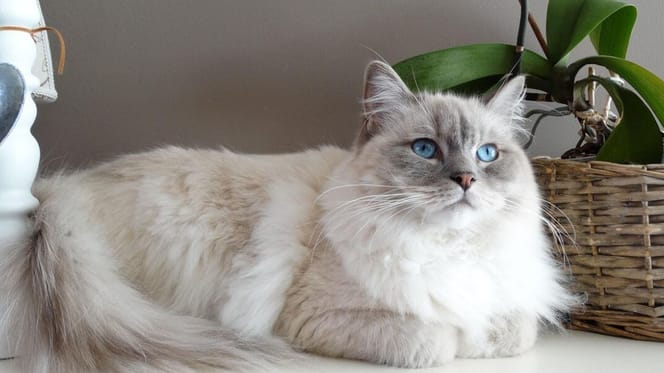

It is not surprising that Ragdolls are such a popular cat breed, thanks to their affectionate nature, calm temperament and strikingly beautiful coats. But for many people considering welcoming a Ragdoll into their home, one practical question comes up early on: Do Ragdoll cats shed?
Find out everything you need to know about Ragdoll shedding, including coat type, seasonal patterns and effective shedding management tips.
Do Ragdoll cats shed?
The short answer is yes. Like all cats, Ragdoll cats shed hair as part of a natural growth cycle. However, the amount of shedding varies, and understanding why helps set realistic expectations and makes day-to-day care much easier. It is also important to remember that shedding is not a flaw or a sign of poor health in most cases. It is simply the way a cat renews its coat.
Why does the amount of shedding vary?
Ragdoll cats shed at different rates depending on a combination of genetics, lifestyle and care. Even within the same household, one Ragdoll may appear to shed more than another. This variation is completely normal.
Factors such as age, diet, grooming routine and overall health all play a role. Indoor cats and shedding patterns are also closely linked, as cats kept indoors experience fewer environmental triggers than those who go outside. As a result, shedding may be more consistent rather than occurring in dramatic bursts.
Understanding that the amount of shedding varies between individual cats helps avoid frustration and unrealistic expectations.
Shedding traits of a long-haired breed
As a true long-haired breed, Ragdoll cats have a plush coat made up of guard hairs and a soft underlayer. Unlike some long-haired breeds, their fur lacks a dense woolly undercoat, which is one reason many owners feel they shed less than other cats with similar coat length.
That said, shedding compared to other breeds is still noticeable, especially when compared with short-haired cats. Long hairs are more visible on clothing and furniture, even if the total volume of hair lost is not particularly high. This visibility often contributes to the perception that Ragdolls shed excessively, when in reality the shedding is moderate and predictable.
How long do Ragdoll cats shed?
Ragdoll cats shed throughout their lives. Kittens initially have a softer baby coat, and shedding tends to increase as the adult coat and shedding cycle develop, usually between one and two years of age.
Once fully mature, most Ragdolls settle into a steady pattern of hair loss. Rather than heavy, constant shedding, it tends to occur at a manageable level with occasional increases linked to seasonal shedding or changes in health, diet or routine.
Ragdoll shedding season
Seasonal shedding is common in cats, including Ragdolls. In spring, many cats lose the thicker coat they developed during winter, which can result in a noticeable increase in loose hair. A smaller surge may also occur in autumn as the coat adjusts again.
For indoor cats, these changes are often less dramatic. Artificial lighting and central heating reduce the impact of natural daylight cycles, meaning seasonal shedding is usually milder and more spread out across the year.
Do Ragdolls shed more than other cats?
Ragdoll cats are often described as shedding less than other cats of similar coat length. While they do not shed less than short-haired breeds, many owners find their shedding more manageable than that of other long-haired breeds such as Maine Coons or Persians.
Shedding compared to other breeds is influenced by coat texture as much as coat length. Ragdoll fur is less prone to matting and tends to release hair gradually rather than all at once. This can give the impression of lower overall shedding, even though hair loss is still ongoing.
Which breed of cat sheds the least?
No cat breed is completely non-shedding, despite persistent myths about shedding and non-shedding cats. Some short-haired breeds, such as the Cornish Rex or Devon Rex, are often cited as shedding very little due to their fine coats.
Hairless breeds like the Sphynx are sometimes assumed not to shed at all. While they lack a traditional coat, they still produce dander and shed small amounts of fine hair, meaning they are not truly non-shedding.
For allergy sufferers, it is important to remember that reactions are usually caused by proteins in saliva and skin rather than loose fur alone.
Are Ragdoll cats hypoallergenic?
Ragdolls are not hypoallergenic. While some people with mild allergies find them easier to live with, this varies from person to person. Their coat may trap loose hair rather than releasing it into the air, which can reduce visible shedding, but allergens are still present.
Spending time with a Ragdoll before committing is the best way to assess individual sensitivity.
Health issues and shedding
Normal shedding should be gradual and even across the body. Excessive shedding, bald patches or sudden changes in coat condition can signal health issues and shedding problems that require attention.
Potential causes include stress, parasites, hormonal imbalances or skin conditions. Nutrition affects shedding as well, and poor-quality food can lead to brittle hair and increased fur loss. If shedding suddenly increases or the coat becomes dull or patchy, you should speak to your vet.
How to reduce Ragdoll shedding
Shedding management is largely about prevention and routine care rather than stopping hair loss entirely. While shedding cannot be eliminated, it can be significantly reduced.
Grooming reduces shedding
Regular grooming is the most effective way to control loose hair. Brushing frequency is important for a long-haired breed like the Ragdoll. Two to three sessions per week are usually enough, with daily brushing during peak seasonal shedding.
Grooming removes loose hair before it falls around the home, reduces tangles and helps distribute natural oils through the coat. It also provides an opportunity to spot skin issues early.
Nutrition affects shedding
A high-quality, balanced diet supports healthy skin and hair growth. Essential fatty acids, adequate protein and proper hydration all contribute to a stronger coat and reduced hair breakage. Improving diet quality often leads to visible improvements in coat condition within a few weeks.
Indoor environment and routine
Indoor cats and shedding patterns are influenced by temperature and air quality. Overheated homes can dry the skin and increase fur loss. Maintaining a comfortable indoor climate and using air purifiers can help reduce airborne hair and dander.
Practical shedding management at home
Managing shedding is easier when approached consistently. Simple habits make a noticeable difference over time:
- Brush the coat two or three times per week
- Increase grooming during seasonal shedding
- Feed a nutritionally complete diet
- Vacuum and dust regularly
- Use washable throws on furniture
These small steps help keep shedding under control without turning grooming and cleaning into a chore.
Ragdoll shedding
So, do Ragdoll cats shed? Yes, they do. As a long-haired breed, shedding is a natural and unavoidable part of life with a Ragdoll. However, many owners find that Ragdoll cats shed less than other cats of similar coat length and that the shedding is manageable with proper care.
With regular grooming, good nutrition and attention to health, Ragdoll shedding can be predictable and easy to control. And ultimately, for most households, the warmth, affection and calm presence of this beautiful breed far outweigh the occasional stray hair.


