
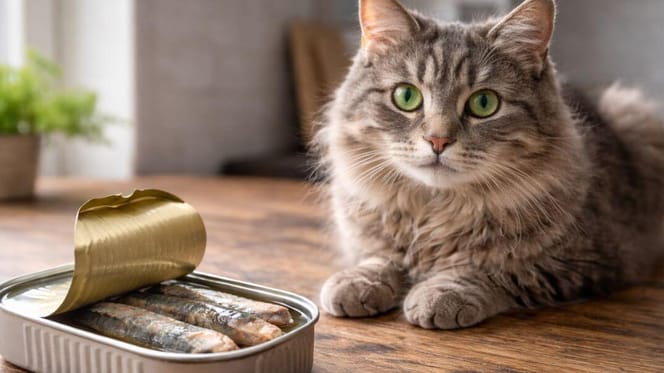

Sardines are often irresistible to cats thanks to their strong aroma and rich taste. Many owners wonder whether these small fish are genuinely good for feline health or simply a tempting treat.
The answer depends on how sardines are prepared, how often they are offered and the individual needs of the cat. Understanding these factors can help you decide when sardines can be included safely and when they are best avoided.
Can cats eat sardines?
In general, sardines are safe for cats when served in moderation and prepared properly. Fresh or minimally processed sardines without added salt, flavourings or sauces are the safest option. Problems usually arise from canned or tinned sardines that contain excess sodium, oil or preservatives.


Cats with kidney disease, heart issues or urinary problems need particular care, as excess sodium and added animal and vegetable fats can worsen existing conditions. Kittens and senior cats may also struggle to process rich or salty foods. Sardines should always complement a complete, balanced diet rather than replace it.
Nutritional benefits of sardines for cats
One reason sardines are so appealing is their nutritional benefits. They are rich in high-quality protein, which supports muscle maintenance and daily energy needs. Sardines are also well known for their omega-3 fatty acids, which can benefit skin health, coat condition and joint mobility.
In small amounts, sardines provide essential nutrients, such as vitamin D, calcium and selenium. These nutrients contribute to bone strength, immune health and normal bodily function. However, while the nutritional benefits are genuine, sardines should be viewed as a supplement in the diet rather than a mainstay.
Can cats eat sardines every day?
No. Sardines should never be fed daily. Even though they contain valuable nutrients, feeding sardines too often increases the risk of excessive fat intake, sodium exposure and contaminant build-up.
The recommended amount and frequency for most healthy adult cats is one small sardine no more than once a week. This keeps sardines firmly in the category of an occasional treat rather than a regular diet. Feeding them more frequently can unbalance a cat’s nutrition and displace essential nutrients found in complete cat food.
Are canned sardines okay for cats?
Canned sardines can be okay for cats, but only certain types. The main concern when comparing processed vs unprocessed sardines is the presence of added salt, oils and flavourings. Many canned products are designed for human consumption and contain far more sodium than is appropriate for cats.
If using canned or tinned sardines, always read the label carefully. Choose products with minimal ingredients and no added salt. Rinsing sardines under water before serving can further reduce surface sodium and help improve their safety.
Are sardines high in mercury?
Sardines are considered a low-mercury fish compared with larger species such as tuna or swordfish. However, they are not mercury-free. Over time, repeated exposure to even small amounts can contribute to heavy metal accumulation in a cat’s body.
This is another reason sardines should never become a daily food. Limiting intake significantly reduces the risks associated with contaminants and heavy metals.
Can cats eat sardines in water?
Yes, sardines in water are the safest canned option for cats. Water-packed sardines contain fewer animal and vegetable fats and typically less sodium than oil-packed or brined versions.
Always choose varieties labelled “no added salt” and rinse them before serving. This type of packing best supports the overall safety of sardines for cats.
Can cats eat sardines in olive oil?
Sardines in olive oil are not ideal. While olive oil itself is not toxic to cats, oil-packed sardines are high in fat and calories. Regular consumption may contribute to digestive upset or weight gain, particularly in indoor or less active cats.
If no alternative is available, only offer a very small amount and blot off excess oil thoroughly before feeding.
Can cats eat sardines in brine?
No. Sardines in brine are too high in salt for cats and should be avoided entirely. The high sodium content can strain the kidneys and cardiovascular system, especially in older cats or those with underlying health conditions.
Can cats eat sardines in tomato sauce?
Sardines in tomato sauce are not safe for cats. Tomato-based sauces often contain onions, garlic, sugar, herbs and spices, all of which can be harmful. Garlic and onion, in particular, are toxic to cats and should always be avoided.
Can cats eat sardines with bones?
Soft sardine bones are generally edible and provide calcium, but they can still pose a choking hazard for some cats. As a precaution, skinless, boneless sardines are the safest choice, especially for kittens and senior cats.
What canned fish can cats eat?
Besides sardines, cats may occasionally eat other low-mercury fish such as anchovies or mackerel, provided they are plain and unseasoned. Fish should always be cooked or tinned and offered sparingly.
Some fish, including tuna, should be limited due to higher mercury levels and the risk of nutritional imbalance. This highlights the importance of avoiding certain fish and cat foods that are unsuitable for regular feeding.
Preparation tips for feeding sardines to cats
Proper preparation is essential. Choose plain sardines with no seasoning, sauces or added salt. Rinse canned sardines thoroughly and serve them flaked into small, bite-sized pieces. This reduces choking risk and helps control portion size.
These simple preparation tips help ensure sardines remain a safe, enjoyable treat rather than a potential hazard.
So, can cats eat sardines? Yes, they can, but only in moderation and with careful preparation. Sardines offer protein, omega-3 fatty acids and essential nutrients, but they also carry risks when overfed or poorly chosen. Keeping sardines as an occasional treat rather than a mainstay in the diet allows cats to enjoy the taste without compromising long-term health.
 Fish that cats can and can't eat


