
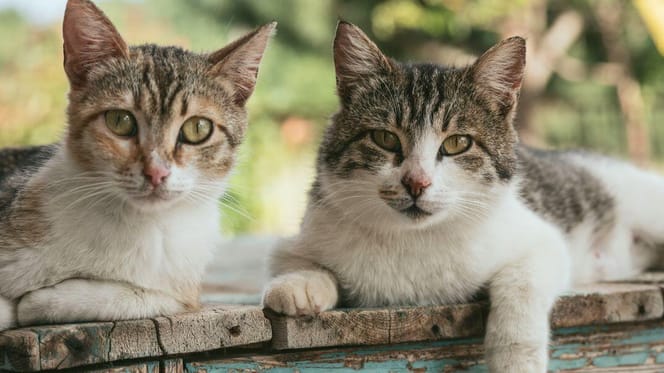

For centuries, cats have inspired poets with their unique blend of independence, affection and intrigue.
Whether exploring cat behaviour, celebrating a beloved pet or reflecting on loss and mourning, poetry offers a wonderful way to express our enduring love for cats.
Why poems about cats remain so popular
Few animals have inspired as much creative writing as cats. Their unpredictable nature, distinctive cat personality and seemingly endless capacity for both affection and mischief make them ideal poetic subjects.
One moment, a cat is curled peacefully in a sunny spot. Next, they are racing through the house in pursuit of an imaginary prey. These contrasts give writers rich material to work with, allowing them to explore everything from humour and companionship to deeper themes about life and human nature.
Poets are often fascinated by the way cats seem to exist between worlds. They are domestic pets, yet they retain a strong feline spirit that hints at their wild ancestry. This balance between familiarity and mystery and grace has made them enduring muses across generations.
Poems about cats through history
Cats have appeared in literature for thousands of years. Ancient cultures often viewed them as mysterious creatures with special significance, while modern poets tend to focus on their role within everyday family life.
Across different eras and cultures, writers have used cats to symbolise independence, curiosity, resilience and elegance. Some poems celebrate the simple pleasure of sharing a home with a cat, while others use feline characters to explore broader ideas about freedom, solitude and connection.
Poems by famous poets featuring cats
Many well-known poets have found inspiration in cats, drawn to their independence, elegance and often unpredictable nature.
One of the most famous examples is T. S. Eliot's Old Possum's Book of Practical Cats. First published in 1939, the collection introduces memorable feline characters such as Macavity, Mr Mistoffelees and Growltiger. Through humour, imagination and sharp observation, Eliot transforms ordinary cats into larger-than-life personalities that continue to delight readers today.
Cats also feature prominently in the work of French poet Charles Baudelaire. In poems such as The Cats, he portrays them as graceful, mysterious creatures, reflecting the fascination many writers have felt towards their enigmatic nature.
Another celebrated example is Wisława Szymborska's Cat in an Empty Apartment. Written from the perspective of a cat whose owner has died, the poem offers a moving exploration of loss and mourning, capturing both feline confusion and human grief with remarkable sensitivity.
These works demonstrate the many ways poets have used cats as subjects, symbols and companions, creating verses that continue to resonate with cat lovers around the world.
Cats as symbols and metaphors
Cats often represent more than themselves in poetry. Their behaviour and presence can serve as metaphors for human experiences and emotions.
A cat's independence may symbolise personal freedom. Their silent movements can represent mystery and grace. Even their tendency to disappear and reappear can reflect themes of longing, uncertainty or self-discovery.
This use of anthropomorphism allows poets to attribute human thoughts and feelings to feline characters, creating engaging poems that resonate with readers while preserving the cat's unique nature. It also offers insight into cat and human relationships, highlighting the emotional bonds that have inspired writers for generations.
Common themes found in cat poetry
While every poem is different, several recurring themes appear throughout poems about cats.
Love for cats and companionship
Many poems celebrate the quiet comfort that cats bring to daily life. Unlike more demonstrative pets, cats often express affection through subtle gestures, whether that is sitting nearby, following a favourite person from room to room or gently purring beside them.
These small moments of companionship often become the foundation for deeply personal and touching poetry.
Humour and everyday mischief
Cats have a remarkable talent for creating chaos in the most entertaining ways. Their fascination with cardboard boxes, tendency to knock objects from shelves and dramatic reactions to everyday events provide endless inspiration for humorous verse.
Poems centred on humour often capture the shared experiences that cat owners know all too well. They remind us that living with cats is rarely predictable but is almost always entertaining.
Cat behaviour, hunting and play
Observing cat behaviour has inspired countless poets. Whether describing a cat stalking a toy mouse, chasing shadows across a room or launching into an unexpected sprint around the house, writers delight in capturing these familiar moments.
Themes of hunting and play often highlight the contrast between a cat's domestic lifestyle and their natural instincts. Even the most pampered pet retains traces of the skilled hunter hidden beneath their soft fur.
Loss and mourning
Some of the most moving poems about cats focus on loss and mourning. Saying goodbye to a beloved pet can be deeply painful, and poetry often provides comfort during difficult times.
These poems preserve treasured memories while helping owners process grief. Rather than dwelling solely on sadness, many celebrate the joy, companionship and unconditional affection that cats brought into their lives.
Writing your own poem about a cat
You do not need to be a professional poet to write a meaningful poem about a cat. Often, the most memorable pieces come from simple observations and genuine affection.
Start by thinking about what makes your cat unique. Consider their appearance, habits and favourite activities. A particular tail twitch, unusual sleeping position or determined stare might become the central image of your poem.
Cat names can also spark creativity. Many names carry stories, memories or amusing associations that can shape the tone of a poem.
You might also focus on:
- A favourite daily routine
- The sound of purring
- A funny or unexpected adventure
- A moment of comfort during a difficult day
- The special bond shared between cats and their owners
Drawing on dreams and stories can add an imaginative element, allowing you to explore your cat's world from a fresh perspective.
The lasting appeal of cat poetry
The enduring popularity of cat poetry reflects the deep connection between cats and people. Through poems, writers can celebrate the individuality of each cat while exploring universal themes of friendship, independence, joy and remembrance.
From poems by famous poets to personal tributes written at home, these works continue to capture the essence of the feline spirit. They remind us that cats are far more than pets. They are companions, muses and treasured members of the family whose influence often extends far beyond the pages of a poem.


