
My dog gets the zoomies after her dinner...

Leeleebijou
Leeleebijou Icon representing the flag French
Report

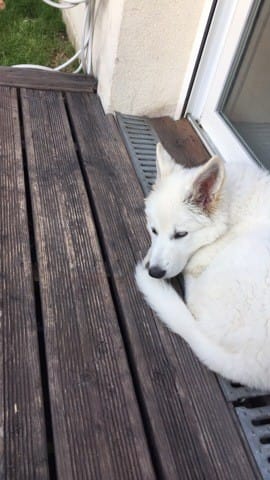
Evening everyone, my little Delta (who is going to be huge!) is already 27.5 lbs and gets the mad half-hour every evening right after her food. Even if I put all her toys away, she always finds something to do (running laps at the very least). My concern is that it is right after eating; it worries me because she is a large breed and, as you know, bloat is more likely in big dogs :s I have a friend who lost her GSD when it was only 3 years old because of that, it is not that rare... (I cannot remember the exact circumstances). Does anyone else have the same issue (the post-dinner madness)? Any advice? Or perhaps some reassuring words on the matter?

Cheers!

Translated from French
icon info

The forum content is sometimes translated from another language, and posts may concern countries with different animal laws. Do your research before making any decisions.

Since the forum is translated by AI, the translations may contain errors.

Loading editor

Write your message and upload a photo if you want to! Please remain courteous in your exchanges.

Your post will be visible to all members of the international Wamiz forum.

14 answers
Sort by:
  • Leeleebijou
    Leeleebijou Icon representing the flag French
    Report
    Yes, I completely agree. We stop the timer when she's playing with us or other dogs, or when she's resting. We use the 15-minute rule as a rough guide; it really depends on how tired she is, and of course, you have to adjust it based on the dog themselves. Anyway, we’re going to try a longer walk in the evening and slightly less food as well. Her nap time is during the hottest part of the day, so she’ll have more time to digest during her afternoon snooze :) The lake is a 5-10 minute walk away on the pavement, which isn't ideal. By the time we get there, she’ll be knackered after just 5 minutes.
    Translated from French
    ?
    Anonymous user Icon representing the flag French
    Report

    Boxers are also prone to dysplasia. I totally get your worries. Yes, you have to be careful with stairs and also with uneven ground (try to avoid letting her run on it where possible)... Jumping as well, though you can’t always avoid it – mine loves pouncing on her toys, just a little hop 😂 not even a metre! So it’s not always avoidable, but you can work on it, especially to make sure she doesn't jump up at people! (After all, they aren't toys!)

    On a more serious note, I understand the "15-minute rule" and it’s all well and good, but I don’t see why a nice 30 or 40-minute gentle stroll would be too much? Especially in the afternoon when the pup is full of beans and needs to burn off some energy...

    Sometimes we’d do an hour in the afternoon (well, they have to play with their mates! Socialisation...) and stopping her after 10 minutes just isn't fair... It’s too frustrating – like turning off a film before the end! In my opinion, you just need to balance the duration based on how intense the activity is. That’s all. And always checking the time when you’re having a good moment... it’s a bit of a nuisance... If you like, don't hesitate to take a break sometimes – a pub garden for you and a little nap for Delta, then off you go again... (she’ll learn so many extra things too: the noise, staying calm, respecting your space, not begging at the table, being near people without needing to touch them...) It’s funny, but ours was house-trained in pub gardens, hotels, at friends' houses, and on public transport... before she was at home! (😁 we were a bit too "relaxed").

    That’s just my take and our experience with Orphée, but maybe that's because we don't like to stick to too many rules...

    Dysplasia is a risk, and you have to be careful, yes... but there are other risks too: bloat, stagnant water, processionary caterpillars, and ticks... You just have to stay vigilant... How can I put it... it’s not exactly a sword of Damocles hanging over you! Dysplasia isn’t going to strike at the slightest misstep.

    Translated from French
    Leeleebijou
    Leeleebijou Icon representing the flag French
    Report
    Hi there! A White Swiss Shepherd, I see 😁 and at three and a half months old, those "zoomies" at certain times are completely normal... Don't worry about them too much. As for mealtimes, I’d stick to feeding after a walk, maybe 40 minutes to an hour after if possible... Especially once she’s settled... because she can get much more worked up outside before a walk, which is natural... Teaching her "stay" is a good shout. I’d suggest just 2 or 3 minutes of training before her meal using rewards (a few handfuls of kibble from her bowl for each command); doing this gradually can also stop her from bolting her food... Try using a "stop" command to interrupt her once during the meal... (you can add a few extra bits of dry food to the bowl, within her daily allowance of course) this also works on making sure she doesn't start guarding her food... And she’ll learn to be more level-headed about eating... I wouldn't recommend a rigid schedule myself... but that’s just my personal take. As for walks, short ones for toilet breaks are fine, but for proper exercise... isn't 15 minutes a bit short? It’s true puppies sleep a lot, but they’ve also got heaps of energy and curiosity, you’ve got to make the most of it... For the evening, I’d suggest what I do with Merline: a nice, calm walk on a long lead, a decent loop... then a bit of a break and dinner once you’re back. If Delta gets so worked up she’s sick after her meal... it’s because she’s eating too fast and she’s still too hyper while eating... You need to work on calmness regularly (well, not to the point of switching her off 😂 that wouldn't be possible anyway!) and avoid doing a big training session right before or after meals... Some people do that, and after a session that's too long for a puppy, they just explode! Calmness during mealtimes too... The "sit, stay" (honestly, just for a few seconds is plenty to start with, then build it up... because making them stay for 3 minutes in front of their bowl is a lifetime) and keep a bit of distance from the food... so she learns to manage her emotions around it... Once she’s doing well, you can move closer... Blimey, this is getting long! Honestly, let me know if this is too detailed, I won't be offended! No, these are great ideas, it’s exactly what I’m looking for to help establish a good routine. Regarding the 15 minutes, that’s what the breeder recommended and I checked online and she’s right (I’d never heard of that rule until Delta). It’s to protect her from hip dysplasia. I’m usually the type to do more and she’ll have a proper exercise programme once she’s an adult; I usually go running but I have to wait until she’s fully grown to take her with me. She’s not allowed to jump until she’s a year old, nor go up and down stairs, or get in and out of the car etc., so I’m carrying her and just grinning and bearing it for now. To make the most of those 15 minutes, I drive her to the lake.
    Translated from French
    Leeleebijou
    Leeleebijou Icon representing the flag French
    Report
    It’s usually large breeds and those with quite deep chests that are most at risk of gastric torsion—or "bloat". Ideally, you should take them for a good walk, then once you're back, let them rest for a bit before they eat. If they start acting up, try to keep them a bit quiet so they calm down. I totally understand your fear; it’s never happened to me personally, but a lady told me about it once while I was out walking my parents' dog. We were chatting and she warned me never to let him run around or go mad after eating because his stomach could flip and he could die. And he wasn’t even a big dog! It’s best to be careful with all dogs really. After all, it's the same for us—doing something strenuous right after a meal isn't a great idea. Yeah, that’s exactly why it’s so tricky! If we run into a playmate on a walk, she’s going to want to play and will get all worked up, even if we try to hold her back. At the breeder's, she was free-fed dry food, so she just ate small amounts throughout the day, which meant less risk. My Border Collie does the same, but to start with we focused on training and rules, and once he’d got the hang of those, we just left his bowl out for him to help himself. That worked quite well, so we’re doing the same with her. We're just at the stage of waiting for her to learn the house rules... It’s not so much her "mad half-hour" that worries me, but the risks involved, as being a bit of a greedy eater combined with activity after a meal seems like a recipe for disaster.
    Translated from French
    ?
    Anonymous user Icon representing the flag French
    Report

    Hi there,

    I've just seen she's a White Swiss Shepherd 😁 and at 3 and a half months old, those "zoomies" or bursts of excitement at certain times are completely normal... Don't worry about it too much.

    Regarding meals, I'd stick to feeding her after walks, ideally about 40 minutes to an hour after you get back... especially once she's settled down. If you feed her before a walk, she might get way more hyper outside, which is normal... Teaching her to "stay" is a good idea. I'd suggest just 2 or 3 minutes of training before meals using rewards (a few handfuls of kibble from her bowl for each command). Doing this gradually can also stop her from bolting her food... Try using a "stop" command to pause her once during the meal... (you can add a few extra bits of dry food to the bowl as you do it, within her daily allowance of course). This helps prevent food guarding and teaches her to be a bit more calm while eating...

    I wouldn't personally recommend a rigid schedule, but that's just my opinion.

    As for walks, quick toilet breaks are fine, but for proper "decompression" walks... is 15 minutes a bit short? It's true that puppies sleep a lot, but they have so much energy and curiosity too—you've got to make the most of it!

    In the evening, I'd suggest what I do for Merline: a nice, calm walk on a long lead, a proper stroll... then a bit of a rest when you get back before feeding. If Delta is getting so worked up that she's being sick after eating, it's likely because she's eating too fast and is still too hyper while she's eating... You need to work on "calm" regularly (well, not to the point of switching her off completely 😂 that wouldn't be possible anyway!) rather than one big session before or after food. Some people do that, and if the training session is too long for a puppy, they just explode afterwards! Keep the mealtime calm too... a "sit/stay" (just for a few seconds is enough to start with, then build it up gradually... because staying for 3 minutes in front of a food bowl is an absolute lifetime for them!) and keep some distance from the bowl... so she learns to manage her emotions around food... Once she's got the hang of it, you can move the bowl closer.

    Another long post! Honestly, let me know if I'm going into too much detail, I won't take it personally!

    Translated from French
    Bobkat
    Bobkat Icon representing the flag French
    Report

    It’s mainly large breeds and those with deep chests that are at risk of bloat (stomach torsion).

    Ideally, you should take him for a long walk, and once you’re back, let him rest for a bit before he has his food.

    If he starts running around like mad, put him in a quiet spot for a while so he can settle down.

    I totally get why you’re worried. It’s never happened to me personally, but a lady told me about it once when I was out walking my parents' dog. We were chatting and she warned me never to let him run about or get too hyper after eating because his stomach could flip and he could die. And he wasn’t even a big dog, so it’s definitely best to be cautious with all dogs.

    After all, it’s just like us—doing heavy exercise straight after a meal isn’t exactly a good idea.

    Translated from French
    Leeleebijou
    Leeleebijou Icon representing the flag French
    Report

    Hi Patou,

    That’s possible! With the heat, she doesn’t really have the zoomies during the day, but yes, I can and will introduce more to see how it goes.
    Translated from French
    Leeleebijou
    Leeleebijou Icon representing the flag French
    Report

    Today both my ears are standing up! At last!

    Translated from French
    Leeleebijou
    Leeleebijou Icon representing the flag French
    Report

    Mind you, those are only the figures from one specialist, but it’s a start!

    Translated from French
    Leeleebijou
    Leeleebijou Icon representing the flag French
    Report
    Evening everyone, my little Delta (who’s going to be a big girl!) is already nearly 2 stone (about 28 lbs) and gets the zoomies every evening after her dinner. Even if I put all her toys away, she always finds something to do (sprinting around at the very least). My problem is that it’s right after eating, and I’m worried because she’s a large breed and as you know, bloat (GDV) is more likely in big dogs :s A friend of mine lost her GSD at 3 years old because of it, it’s not that rare... (I can’t remember the exact circumstances). Do you have the same issue (the post-dinner 'devilment')? Any advice? Or maybe some reassuring words? Cheers! Evening, you mentioned it’s not rare, but I’ve had a look and couldn't find much data on it. Just because it happens to people we know doesn't necessarily make it a common problem (if that’s the connection you were making?). I’m not saying it is or isn't rare, I don't really know, though I suspect it's not that common (perhaps because owners are so careful). However, I do think the risk is high for large breeds, but also for any dog doing very intense activity in the first few hours after a meal. From what I gather, yours is more of a moderate activity? I’m not sure if that helps, but it might give you a different perspective. You’ve probably already read up on it, but I found this article on a dog advice site quite detailed: [Guide to Bloat and Gastric Torsion in Dogs] Hi hibiscus! I hadn't thought about looking for stats, but I found some and they’ve actually 'reassured' me. Breed / Risk rate or probability of developing GDV: Great Dane: 41.4% St Bernard: 21.8% Weimaraner: 19.3% Irish Setter: 14.2% Poodle: 8.8% Dobermann: 5.5% German Shepherd: 4.2% Crossbreed: 1% (According to Glickman) On this link from a specialist vet clinic: [Clinical guide to Gastric Dilatation-Volvulus] Warning: not for the faint-hearted, don't look if you're squeamish as there are photos of surgeries. So mine is probably a bit higher than a GSD since she has a similar build. But oh yes, she's definitely in 'intense mode'—rolling around, sprinting, and finding anything to make me chase her! It usually lasts about 10 to 20 minutes.
    Translated from French
  • 10 comments out of 14

    See more
  • Do you have a question? An experience to share? Create a post on our forum!