

Mjdino

Translated from French

The forum content is sometimes translated from another language, and posts may concern countries with different animal laws. Do your research before making any decisions.
Since the forum is translated by AI, the translations may contain errors.


Here is a photo of my beloved dog
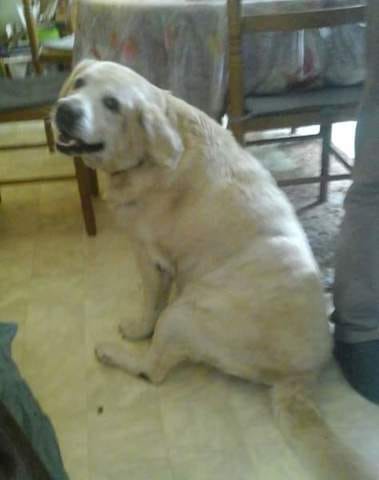
Hi Mjdino,
Yes, it’s like I was saying—your dog was still so young, and the fact that everything happened so suddenly makes the loss even more devastating. It’s clear from your messages that it makes the guilt feel so much worse. But vets and their nurses are usually very compassionate people; they know how to reassure them and give them a kind word, and I’m sure that’s exactly how it was for your little one. I know that saying it doesn't just get rid of that feeling of doubt and guilt that you can’t seem to shake. Perhaps trying to book an appointment with the vet would help; you could ask if they’d be willing to sit down with you to go over everything that happened again. It might help ease some of that horrible guilt you're feeling.
Siska was 17 years and 3 months old, yes, but she was still walking around the house and ate her food with real gusto on the very day she passed away. She even came to see me when I walked through the door, so it still makes things incredibly difficult; even though I was prepared for bad news, I was in a complete state of shock when I saw her little head drop. Even the vet couldn't understand how she was still eating and walking, because she already had fluid on her lungs and a lot of fluid in her abdomen since midday. She was walking around the waiting room a lot too, while I followed her and stroked her, so I do wonder if I should have agreed to have the fluid drained. But I said I didn't want any aggressive treatment or any care that would make her suffer. I made that choice for her and maybe I was wrong—even if I don't really believe I was—but I still have moments of doubt. Everything just went so fast in that consulting room.
And after 17 years together, it’s so hard to break those old habits and accept that she’s gone. She hadn't even gone grey and still looked like a young dog only a month ago, even if she did sleep a lot during the day. Mind you, she had an internal clock that went off as soon as it was dinner time; that never changed, right up until her final day.
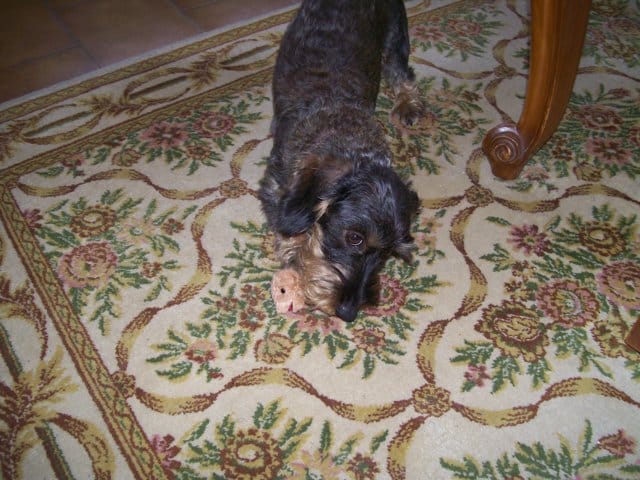

I’m so sorry about your dog, but I really think you’re being far too hard on yourself. We always do what we think is best for them at the time—you have to keep that in mind!
@Enicia, I think your experience is quite different. In this case, the dog was on the treatment for a fortnight and their condition only went downhill once they stopped taking it.
I hadn’t made the connection between Dermipred and cortisone before. You can't really say that this medication is dangerous. My parents have Dachshunds, and two of them are on Dermipred without any side effects at all. One passed away recently, but it had nothing to do with the treatment—he had a serious brain tumour.
Like any medicine, it can probably be harmful in certain specific cases. You can never rule out an intolerance, an allergy, or an underlying health issue.
But we shouldn’t be scaring people by saying a certain medication is dangerous without being sure. Especially since it’s not a new drug on the market; there’s a proven track record with this type of medication.
Accept cookies for a better browsing experience

